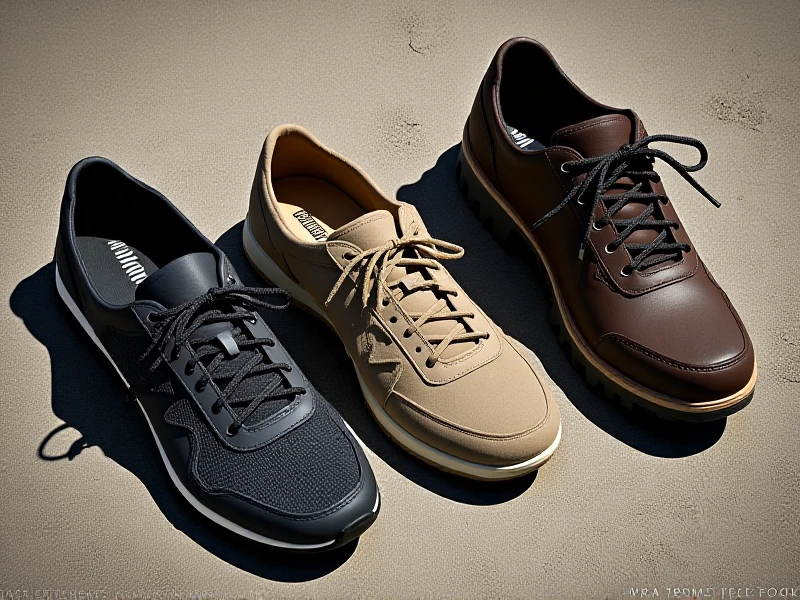
Unlock Peak Performance: Your Guide to Sports Shoes
****
Finding the perfect pair of sports shoes is essential for anyone serious about performance, comfort, and injury prevention. Whether you're logging miles on the road, hitting the gym floor, or dominating the tennis court, the right footwear makes all the difference. This guide delves into the key factors to consider when selecting your next performance companion.
The world of sports shoes is driven by relentless innovation. Modern athletic footwear incorporates cutting-edge materials like breathable knits and supportive synthetics for optimal comfort. Advanced cushioning systems, utilizing responsive foams like Phylon or EVA, provide exceptional shock absorption for high-impact activities like running or basketball, protecting your joints mile after mile. Equally crucial are stability features – medial posts, TPU shanks, and strategically designed outsoles – that control excessive foot motion (overpronation or supination), enhancing efficiency and reducing strain.
Beyond tech, choosing the right sports shoes requires self-awareness. Understanding your foot type (neutral arch, low arch/flat feet, or high arches) is fundamental. Consider your primary activity, as each demands specific characteristics:
- Running Shoes: Prioritize lightweight construction, excellent cushioning tailored for road or trail surfaces, and durable outsoles.
- Training/Cross-Training Shoes: Require versatile support for multidirectional movement, lateral stability, and durable uppers for varied gym workouts.
- Court Shoes (Basketball, Tennis, Volleyball): Focus on aggressive traction patterns for swift stops and starts, ankle support (especially high-tops for basketball), and robust support for lateral movements.
- Walking Shoes: Emphasize cushioning comfort, flexible soles for a natural heel-to-toe transition, and reliable arch support.
To ensure a perfect fit, shop later in the day when feet are naturally slightly swollen. Wear the socks you typically use for your sport. There should be about a thumbnail's width of space between your longest toe and the end of the shoe. Check that the heel fits snugly without slippage and the midfoot feels securely locked down without excessive pressure. Walk or jog around the store – you shouldn't experience any immediate hotspots or discomfort.
For the best sports shoes, replace them every 300-500 miles of running or when you notice visible wear on the outsole, flattened cushioning, or reduced support feeling. Worn-out shoes lose their protective abilities, significantly increasing injury risk.
Investing the time in selecting the proper sports shoes tailored to your unique feet and activities is an investment in your performance, comfort, and overall foot health. Ready to hit your stride? Lace up with confidence. Want shoes that keep up? Find your perfect match today (Brand Name/Store Link).