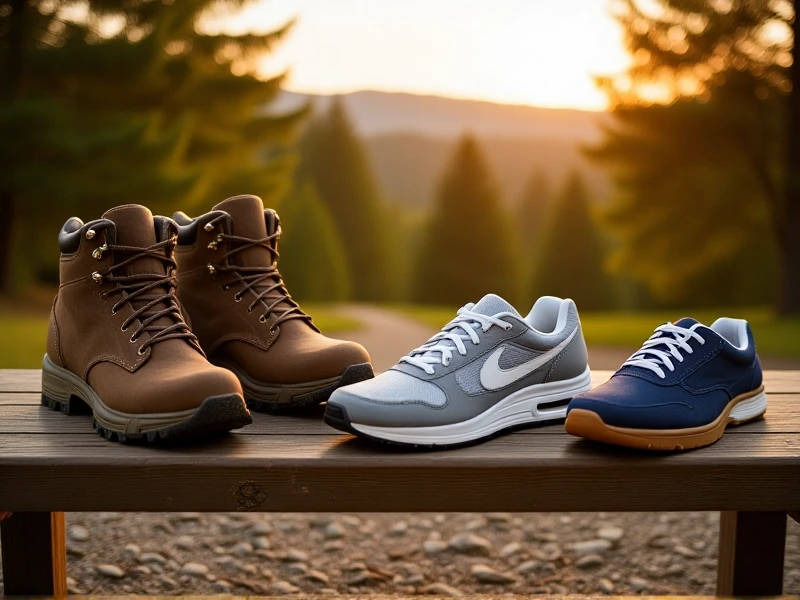
Step Up Your Trail Game: How to Choose the Perfect Hiking Shoes
SEO Article
Hitting the trails offers breathtaking scenery, fresh air, and a break from daily routines. Whether tackling steep mountain paths or meandering forest walks, your comfort and safety hinge on one crucial piece of gear: your footwear. Choosing the best hiking shoes isn't just about fashion; it's about preventing blisters, avoiding rolled ankles, and ensuring every step supports your adventure. So, how do you find your ideal match?
First, consider the terrain and your hiking style. Venturing over sharp rocks, steep inclines, or carrying a heavy pack? You'll likely need sturdy hiking shoes – potentially even boots – offering maximum ankle support and stability. For well-maintained trails, day hikes, or lighter loads, versatile mid-cut or low-top hiking shoes often provide ample comfort and agility without unnecessary bulk.
Next, focus on essential features. The grip is paramount. Look for aggressive, multi-directional rubber lug soles that grip relentlessly on wet rocks, loose gravel, and muddy patches. A quality outsole makes navigating tricky sections far less treacherous.
Don't overlook support. A proper hiking shoe's midsole provides cushioning to absorb impact and a firm platform (shank) underfoot for stability on uneven surfaces. This protects your feet and reduces fatigue over long distances. Ensure adequate underfoot protection from sharp rocks as well.
Waterproofing is another key decision. Breathable waterproof membranes (like Gore-Tex) excel in consistently wet or colder climates, keeping your feet dry from puddles and morning dew. However, they can retain heat in hot, dry weather. For warm temperatures or guaranteed heavy perspiration, highly breathable, non-waterproof hiking shoes cool feet faster, though they won't stop significant water ingress. Know your typical hiking environment.
Durability matters. Abrasion-resistant materials like leather or reinforced synthetic uppers protect against sharp branches and trail debris. Reinforced toe caps guard against accidental bumps on rocks and roots, extending your hiking shoes' lifespan.
Fit reigns supreme! This is non-negotiable. Your feet naturally swell during hiking. Visit a reputable outdoor retailer later in the day when your feet are largest. Wear the socks you intend to hike in. Ensure there's plenty of room (about a thumb's width) in front of your longest toe to prevent bruising on descents. Lace securely to stop heel lift, which causes blisters. Allow a short break-in period on easier walks before tackling epic journeys.
Finding your perfect hiking shoes takes a little research and trying different options, but it's an investment in countless miles of enjoyable adventure. Prioritize support, grip, durability, and above all, a precise fit. Equipped with the right hiking shoes, you're ready to embrace the journey with comfort and confidence underfoot. Hit the trail!